



A liquid dialogue that becomes gesture and beauty over time
Some encounters unfold slowly, silently, like the infusion of a tea leaf or the fermentation of grapes. Chinese tea and Italian wine belong to this category: distant worlds, separated by geography, history and language, yet surprisingly close in their conception of time, nature and human gestures.
Describing an encounter between Chinese tea and Italian wine seemed impossible even to us. Before we experienced it first-hand. Perhaps we cannot really talk about a pairing in the technical sense of the term, but it is certainly a mutual recognition.
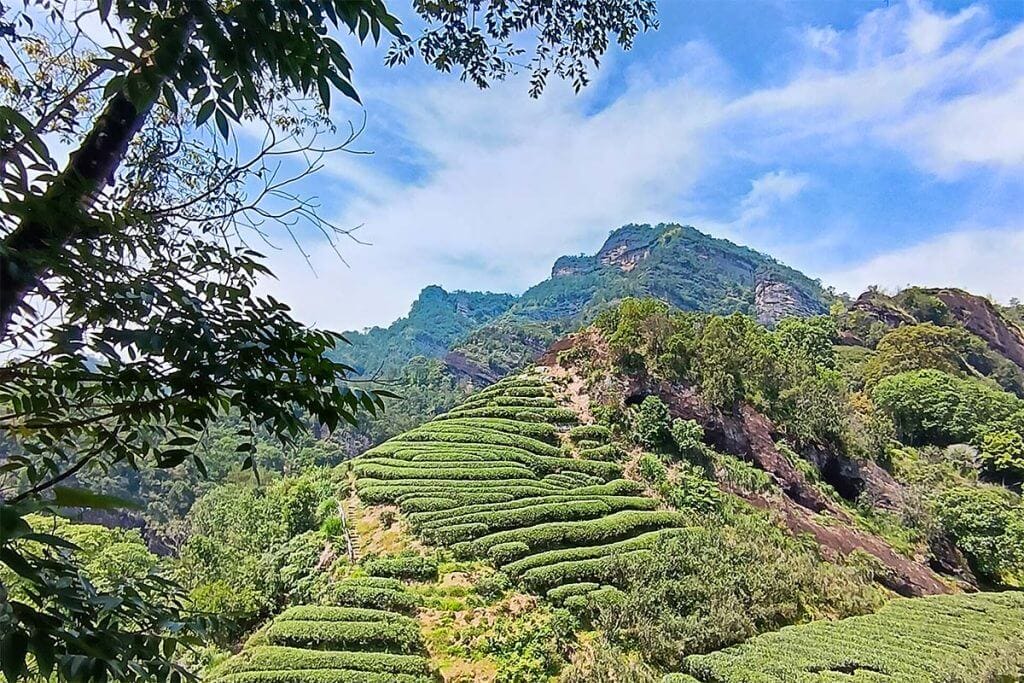
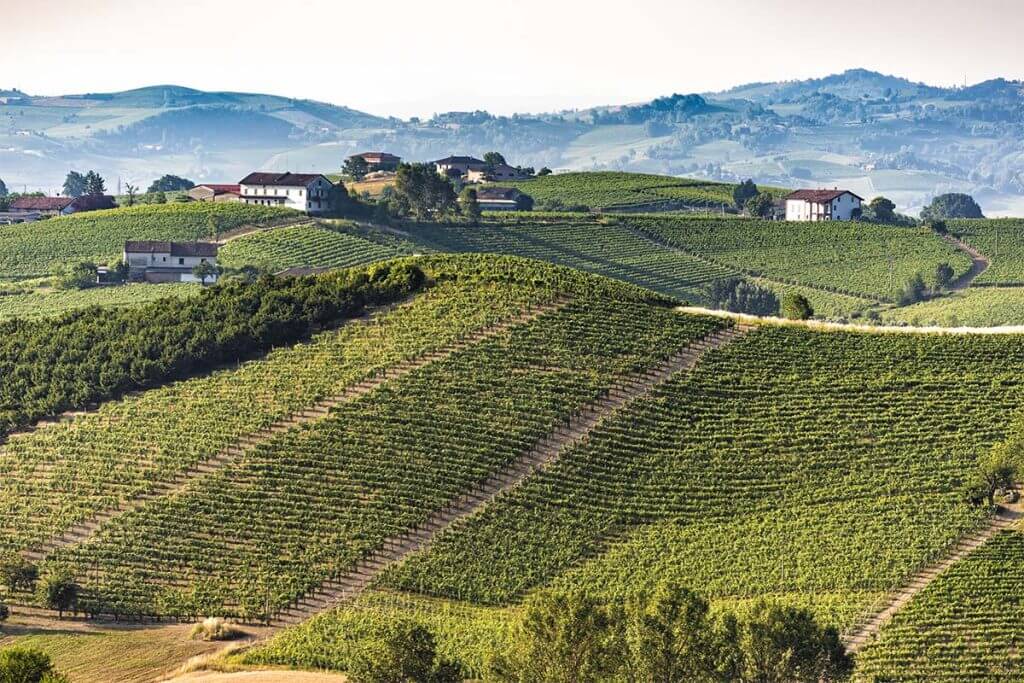
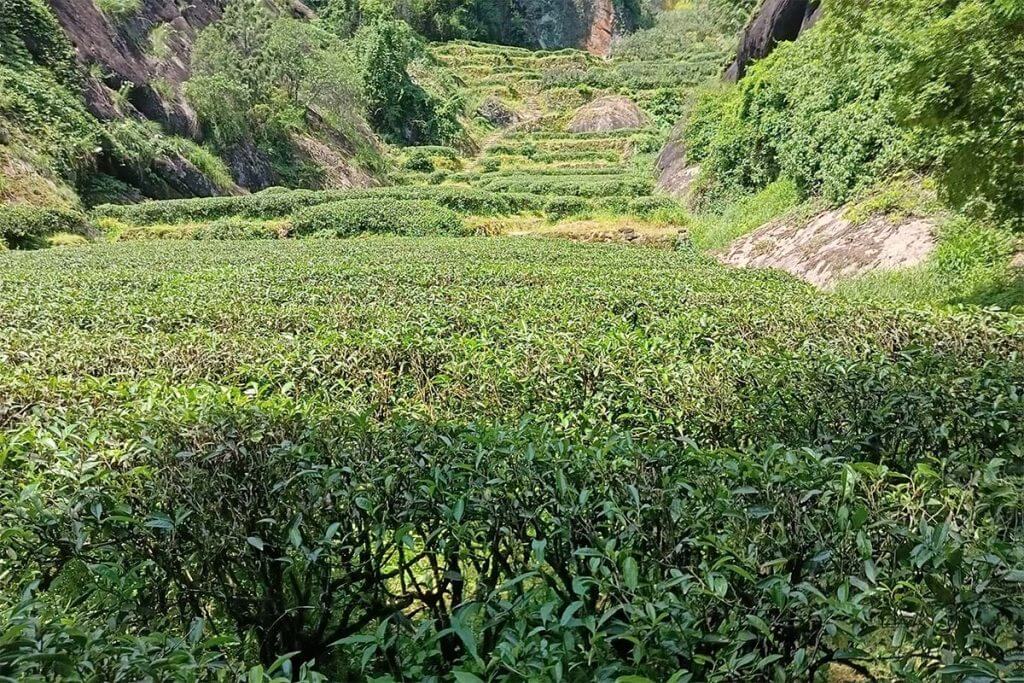
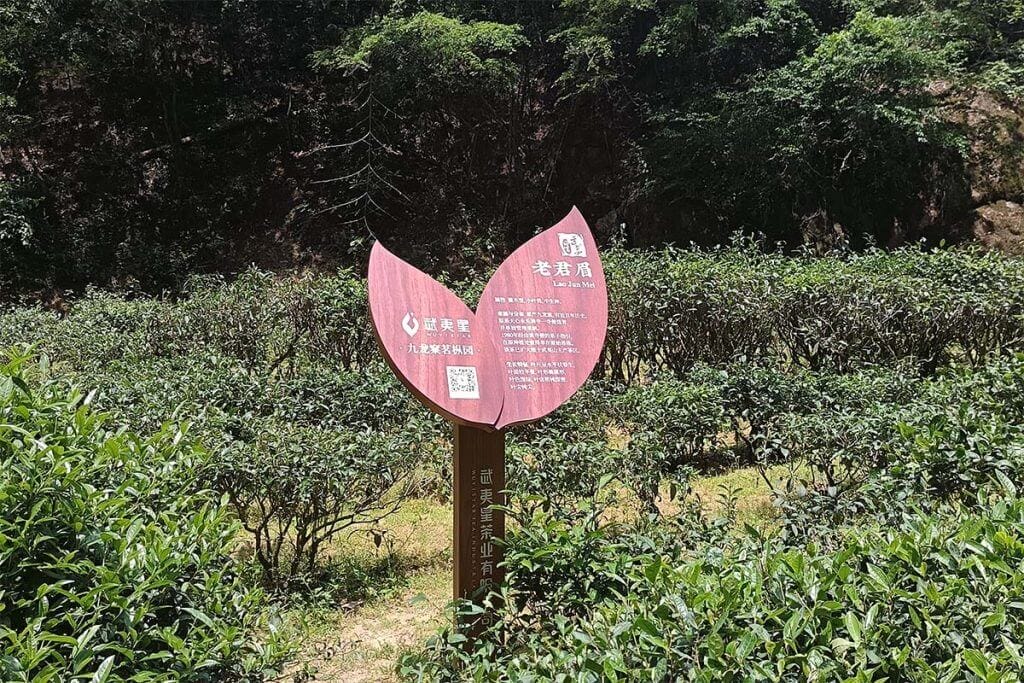
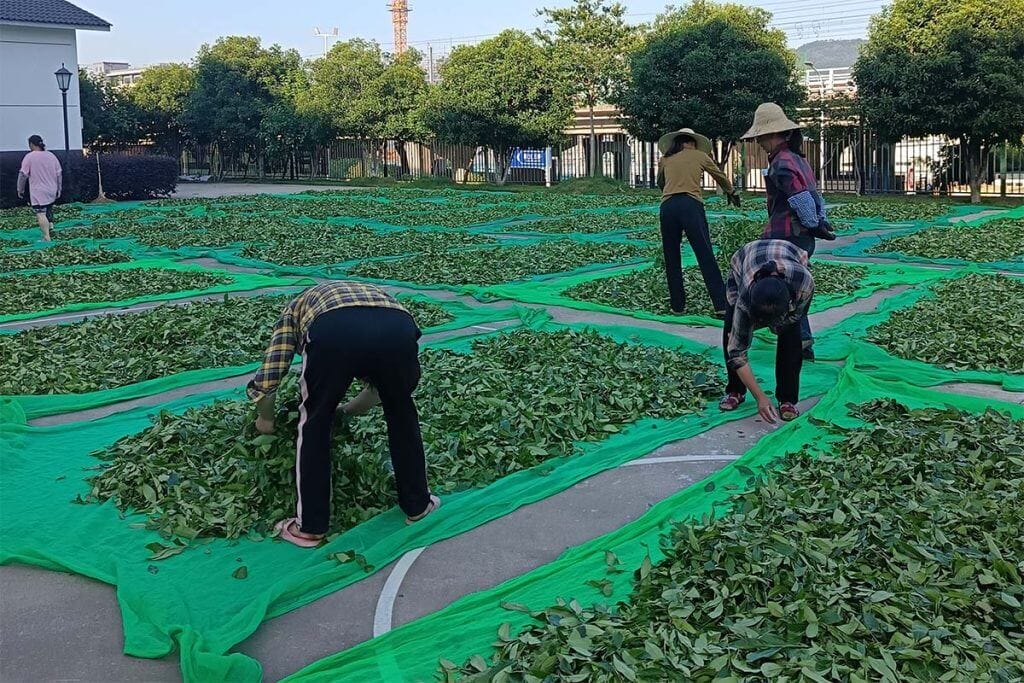
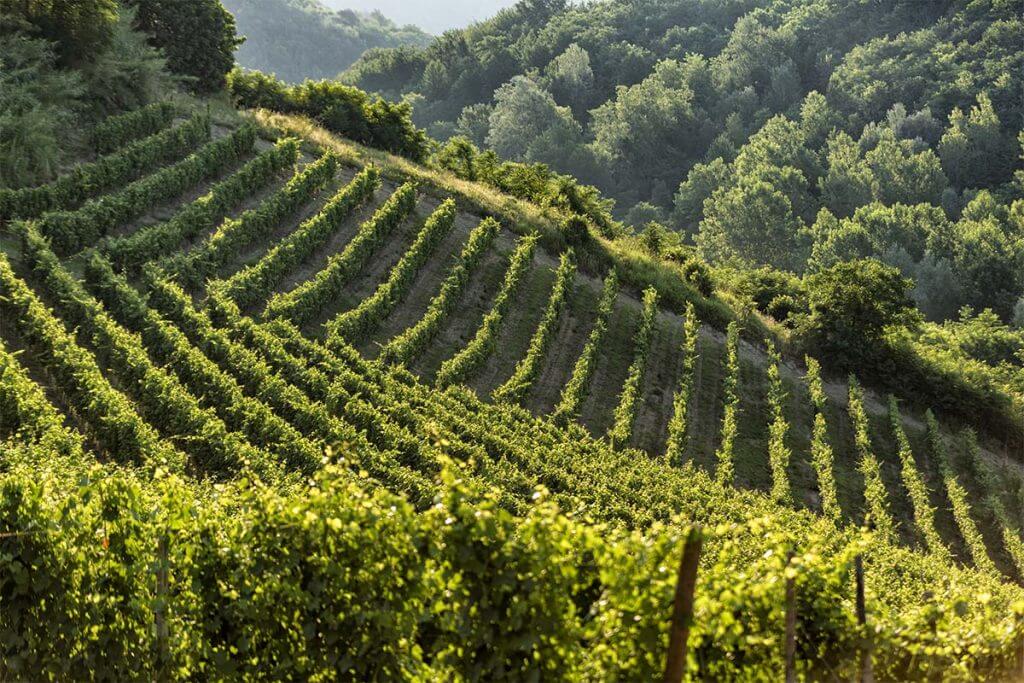
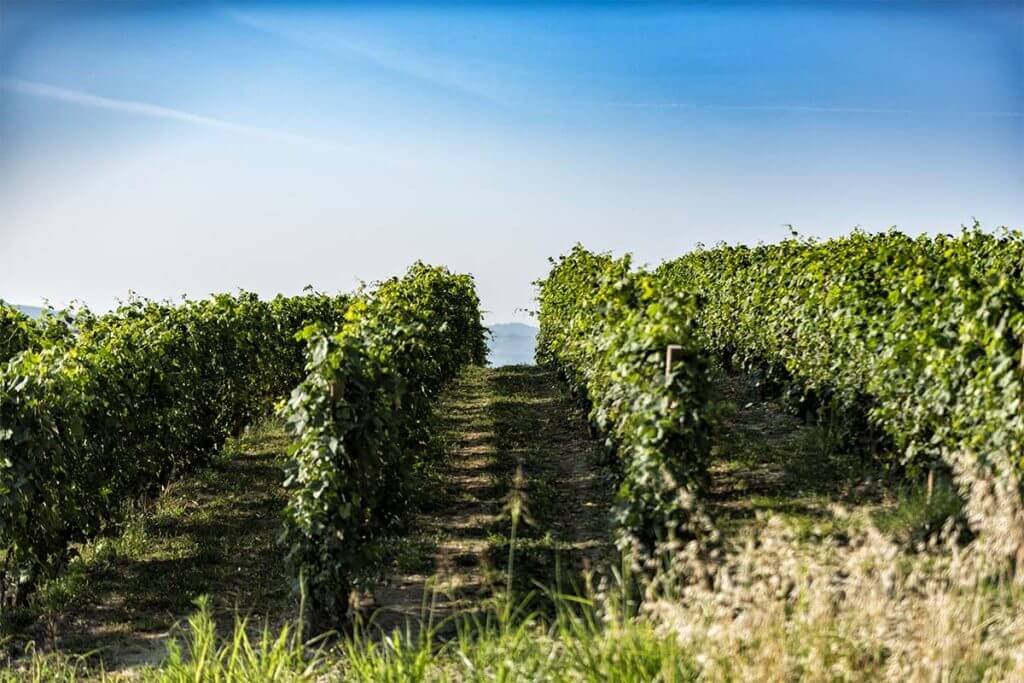
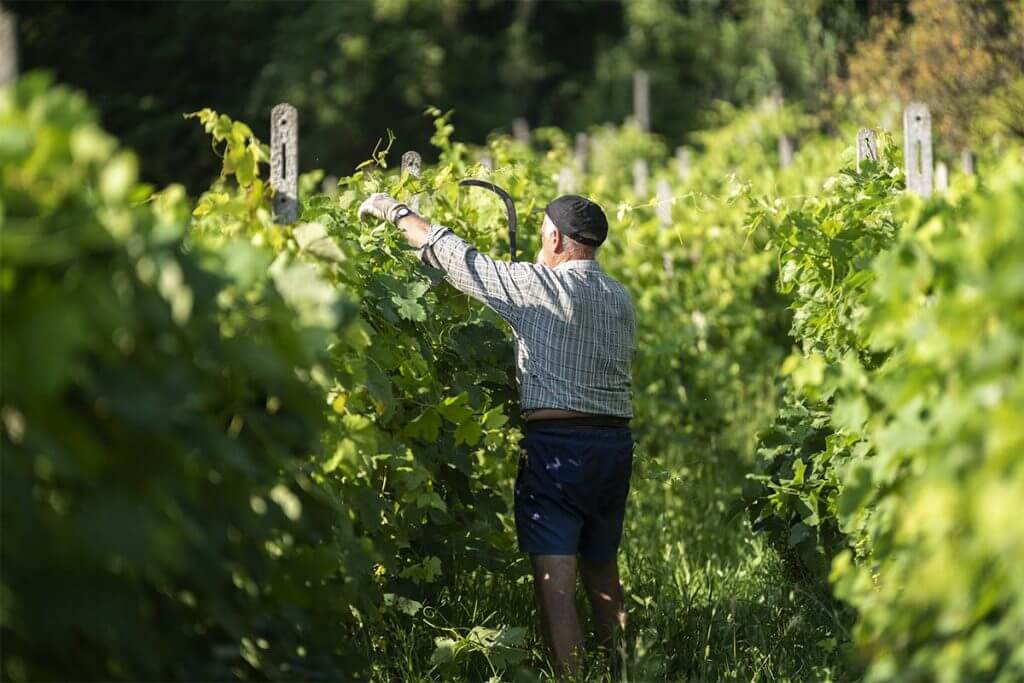
In the heart of the Chinese mountains, where tea plants are cared for as living beings with their own identity and genealogy, each leaf tells the story of a specific place. The varieties are recognisable, traced and respected. Not unlike Italian vines, which for centuries have borne the name of the land from which they come.
In Wuyishan (the country’s largest unspoilt forest and a UNESCO World Heritage Site), tea matures after long processes of oxidation, fermentation and ageing, during which the minerality of the soil emerges with the same force with which our wines tell the story of the uniqueness of the terroir of our hills, also a UNESCO World Heritage Site.
The time of waiting
In Chinese tea culture, time is never a secondary variable. It is an integral part of the experience. This has been the case since its origins, which legend attributes to Emperor Shennong, when a leaf accidentally fell into the boiling water he was drinking, giving rise to an infusion capable of spanning five thousand years of history.
Since then, tea has never been just a drink: it is an act of observation, listening and respect.
The same is true of wine in Italy. Here, too, time works silently: waiting for the seasons to go by, waiting for the harvest, waiting for the barrels, waiting for that special moment to open the bottle. Waiting for the sip that lasts just a little longer to savour it better.
During our trip to China, we learned that it is precisely in this shared attention to time that tea and wine begin to speak to each other.
The value in the gesture
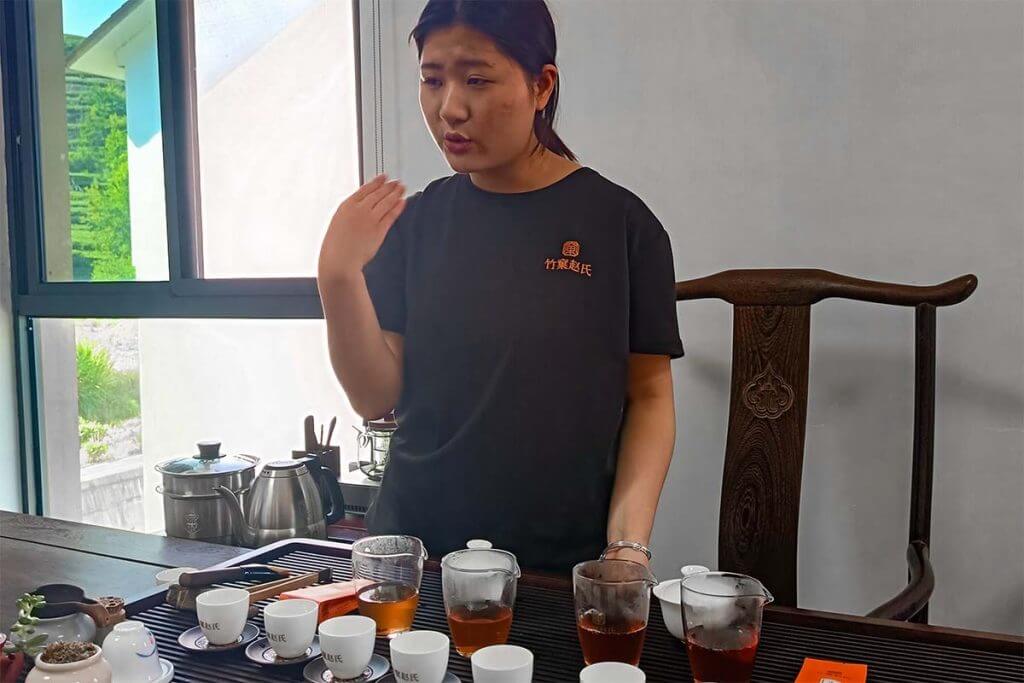
The Chinese tea ceremony, Gong Fu Cha, literally means “taking the time to do things properly”. Each step – from warming the utensils to the first washing of the leaves, right up to the subsequent infusions – is not an empty ritual, rather an act of concentration. Silence also plays a role. So does emptiness.
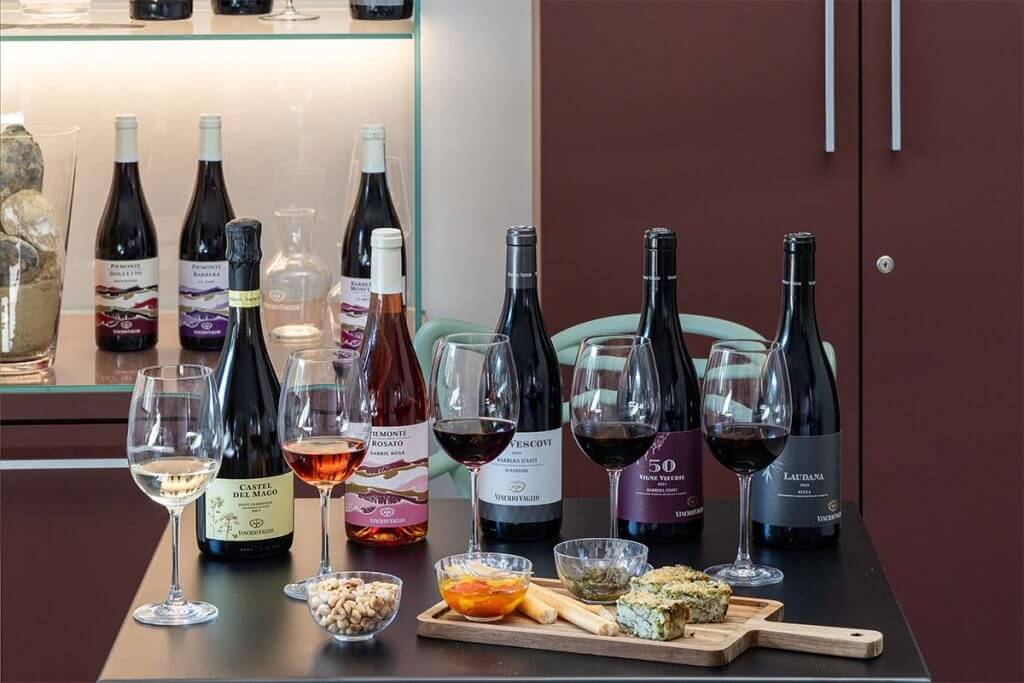
In Italian wine, the gesture changes form but not substance: opening a bottle, oxygenating it, waiting for it to breathe in the glass. These are actions that require attention, presence and respect. You don’t drink a great wine distractedly, just as you don’t infuse a great tea distractedly.
Both require a mental posture, even before a physical one.
Gestures as a form of respect
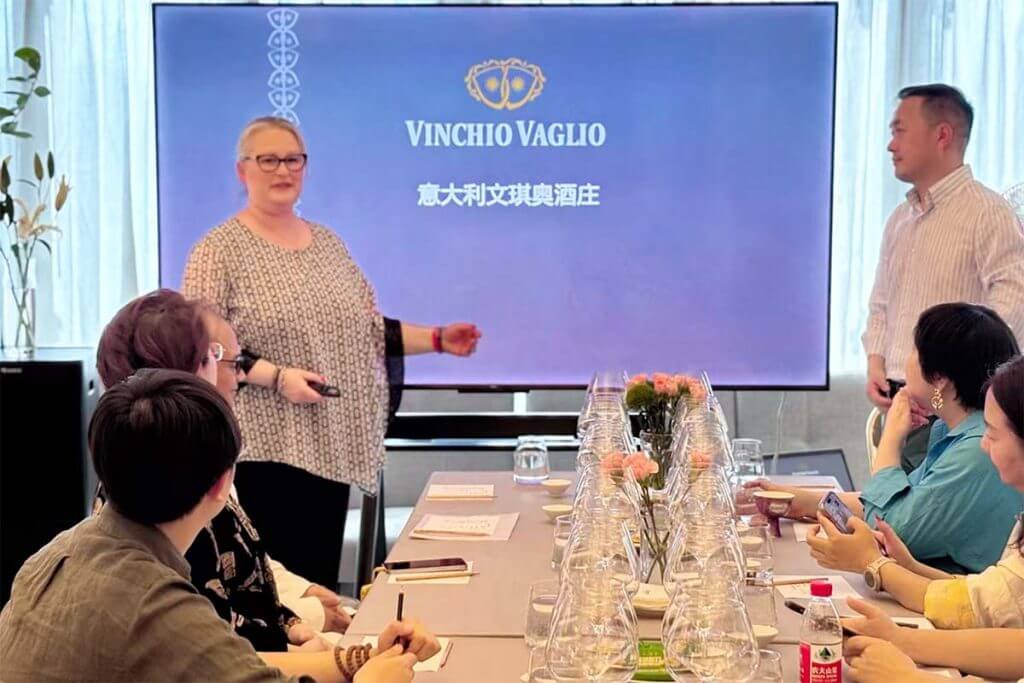
When tea and wine are brought into dialogue, there is no search for forced similarities or codified pairings. On the contrary, distance is accepted as a value. It is precisely in this distance that resonance arises.
The Eastern philosophy of liubai, the “intentional emptiness” that leaves room for interpretation, finds a surprising parallel in the sensory stratification of wine: what is not immediately perceptible, what comes later, what remains.
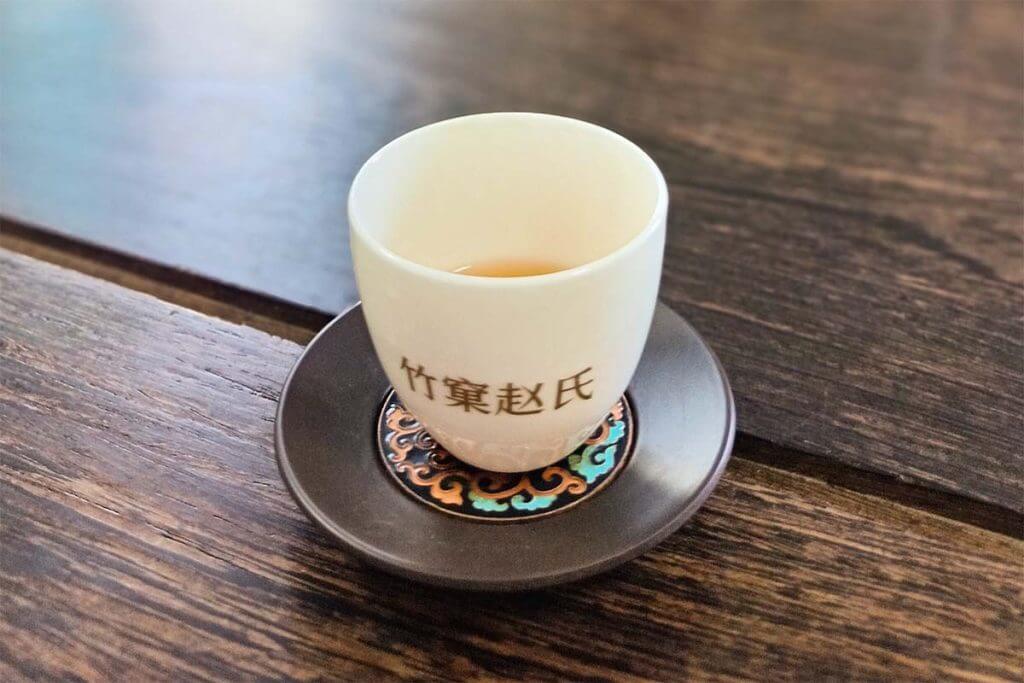
A porcelain cup and a crystal glass thus become different tools for the same purpose: to transform an everyday gesture into an aesthetic experience.
In a world that tends to accelerate and simplify, tea and wine continue to remind us that beauty, whether it arises in the mountains of Fujian or the Italian hills, is never immediate. It must be cultivated, awaited and shared.

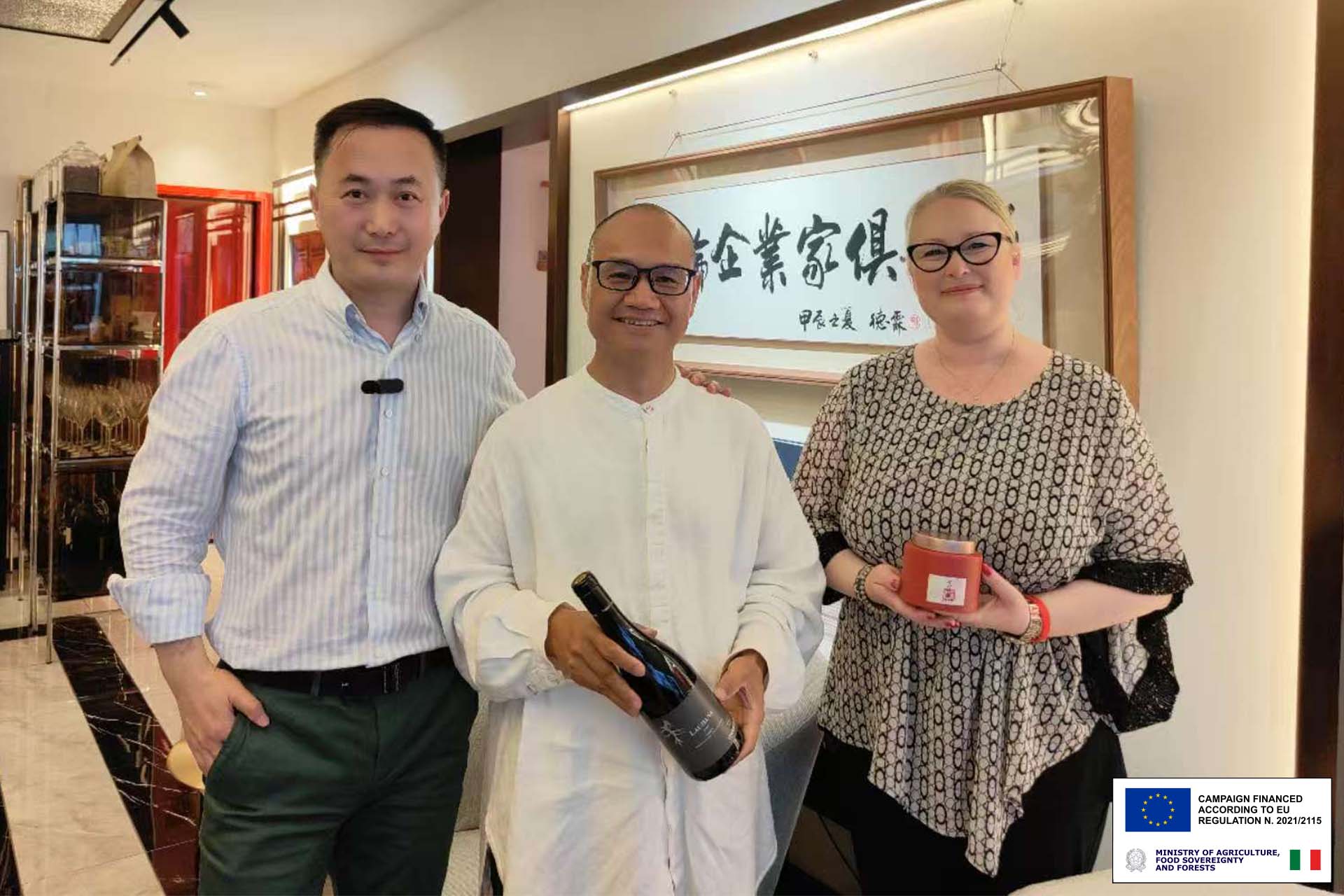
“A heartfelt thank you to our client and friend of over ten years, Alan Wang, for making this meeting between distant worlds possible, and to Mr. Zhao for his generous welcome and for opening the doors of his company to us, sharing with us not only his tea, but also the time, passion and culture that accompany it.”
Tessa Donnadieu, Vinchio Vaglio Export Manager