



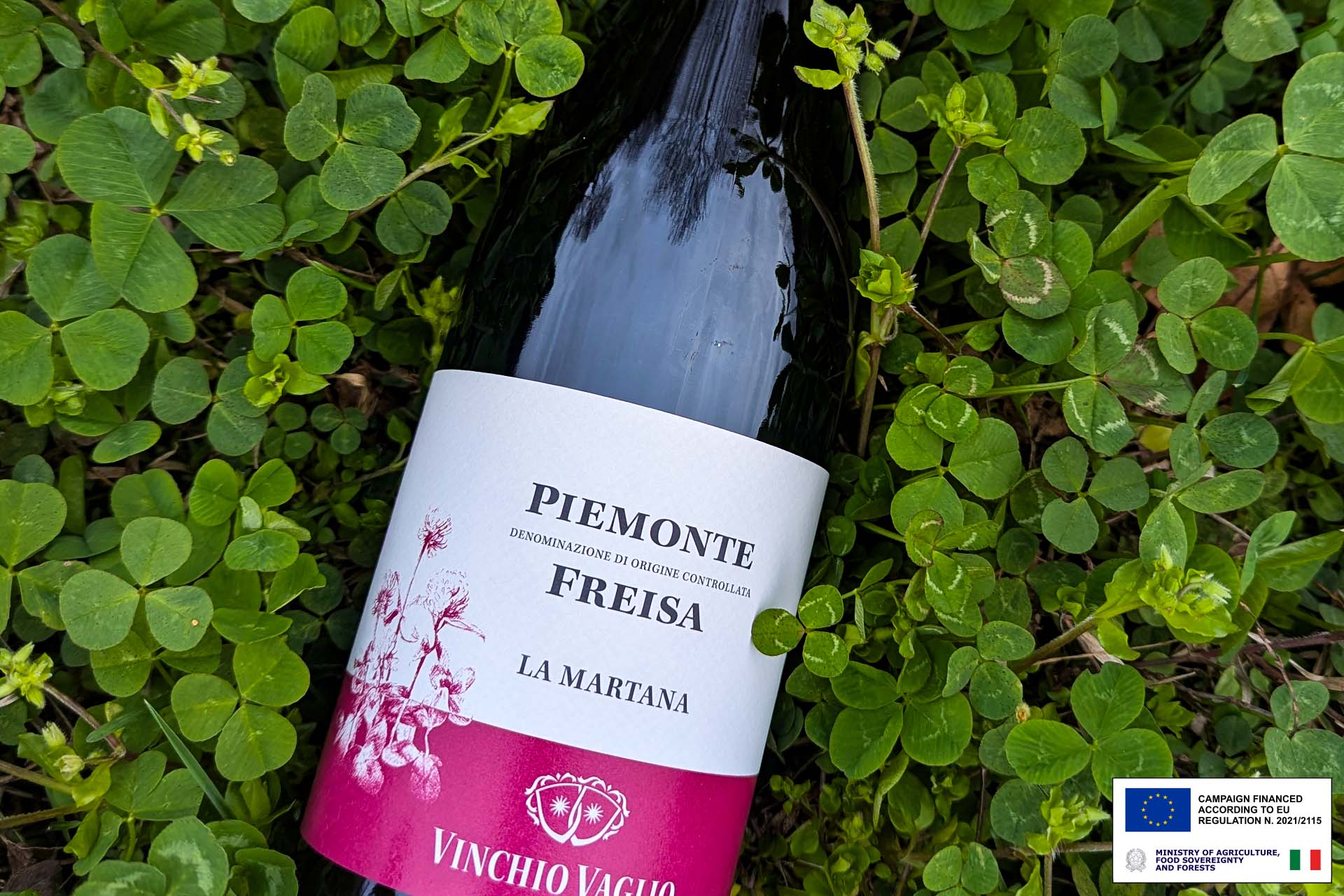
The aroma of a freshly uncorked bottle of Freisa is perhaps one of the most easily recognisable. Delicate yet distinct, bright and lively: for us, this is the scent that welcomes spring, even before the calendar does.
Freisa, strictly feminine in form (like Barbera), awakens an ancient memory that sees this great wine as the undisputed star of the noble tables of nineteenth-century Turin and which today is regaining its rightful place amongst the great wines of Piedmont.
After all, in wine, as in nature, the sense of smell is the first to awaken. Even before taste, and sometimes surpassing the dominance of sight: it is the aroma that builds the wonder of anticipation.
Turin’s wine, past and present
Freisa grape variety is mentioned as early as the late Middle Ages under the name ‘freseaurm’, but it was in the 19th century that Freisa established itself as one of Turin’s most widespread and appreciated wines. Found in taverns and in everyday life, as well as at noble banquets: an expression of that authentically Piedmontese ‘wine-making expertise’, closely linked to the local area.
In fact, it is today’s DNA studies of the varieties that tell us how Freisa grape is a close and ‘somewhat rustic’ relative of Nebbiolo.
Over time, its popularity had waned, giving way to more structured wines and different oenological trends. Today, however, the growing focus on distinctive grape varieties and wines with a strong sense of place is fostering a rediscovery of Freisa, restoring it to the role it historically belongs to. As Gambero Rosso also notes in a recent publication, “Freisa is experiencing a second youth”.
Its expressive lightness and aromatic finesse resonate with a contemporary sensibility that values balance, drinkability and authenticity. It is the rediscovery of a wine heritage that speaks to the present without denying its own history.
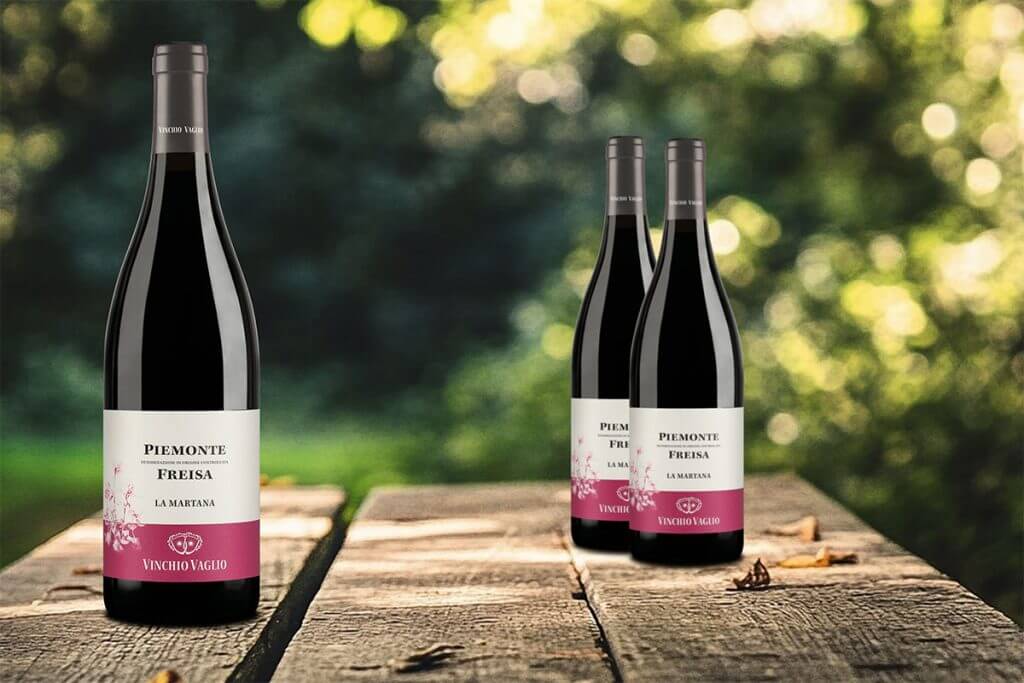
A vigorous grape variety that requires balanced nurturing
From an agronomic perspective, this grape variety is notable for its remarkable vegetative vigour. This characteristic makes it productive and adaptable, but requires careful management to maintain the right balance between the plant’s growth and the quality of the fruit.
Controlling vigour, managing the leaf canopy and limiting yield are fundamental to ensuring harmonious ripening.
The emergence of the finest floral notes is, in fact, closely connected to the balance of the growing cycle. Favourable temperature fluctuations, regular ripening of the grapes and careful vinification allow the primary aromas to be preserved, keeping their fragrance intact.
In our Fresie wines, alcoholic fermentation with maceration lasts around 5 days at a constant temperature of approximately 24°C to best extract the aromas derived from the grape variety. Upon completion, malolactic fermentation is immediately initiated in stainless steel tanks at a temperature of 18°C. After the necessary racking to achieve the desired clarity, the wine is left to rest in stainless steel tanks for around 5 months at a temperature of approximately 10°C, and is then left to rest for a further 3 months in the bottle.
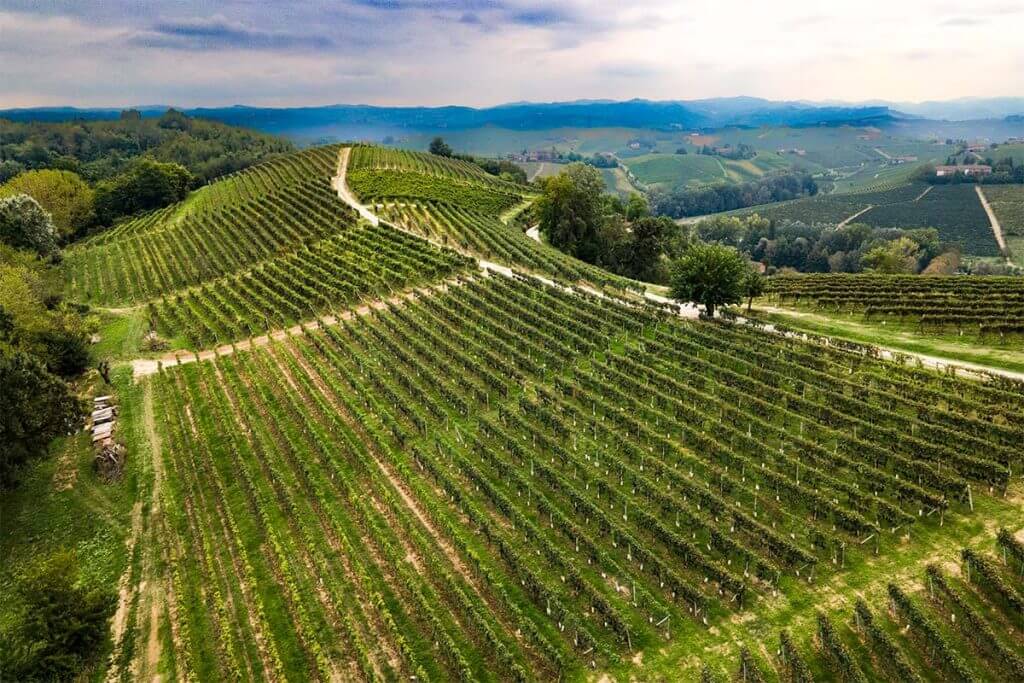
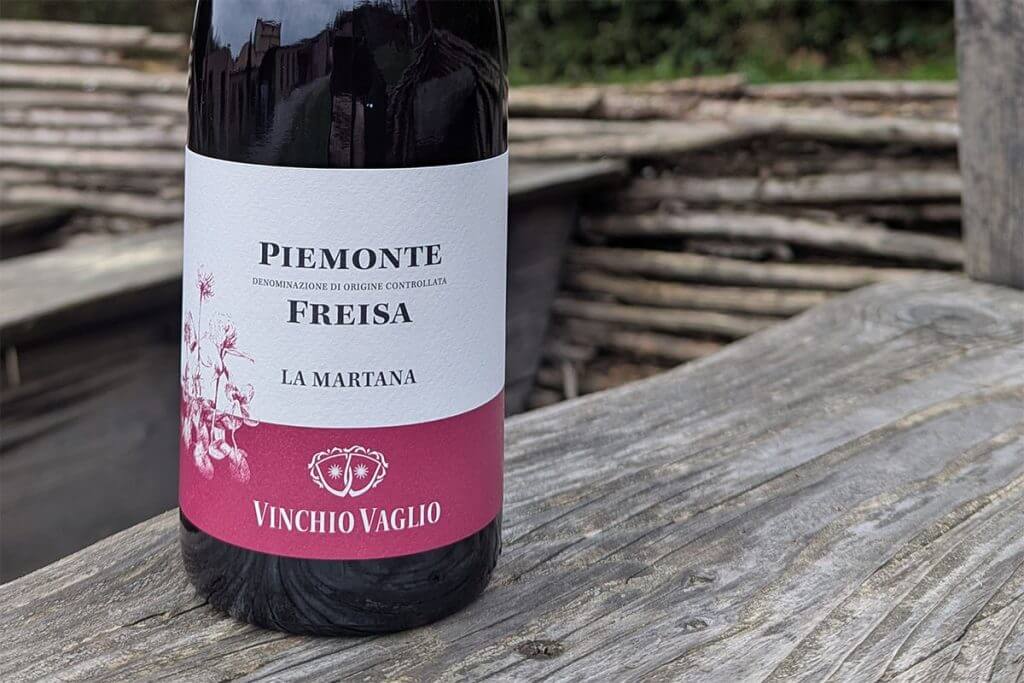
Freisa in the glass: that scent that lingers in the memory
Before the taste, before the structure, and even before the technical assessment, it is the aroma that guides the experience of this tasting.
Freisa stands out for an aroma that is recognisable even to those without any particular technical tasting experience. It is a scent that, in some way, belongs to memory even before it belongs to language.
The parallel is immediate: the name ‘Freisa’ derives from the Piedmontese dialect word ‘fragola’ (strawberry) precisely because of its colour and complex fruity aroma, but no particular technical tasting expertise is needed to notice the intense floral scent of delicate, airy sweet violet, never overpowering, capable of evoking elegance and lightness.
The wine, with its clear ruby-red colour, reveals good acidity and a significant tannin content on the palate, whilst possessing an unusually high level of antioxidants. On the palate, it reveals good acidity and a significant tannin content, whilst possessing an unusually high level of antioxidants.
Freisa wine and food pairings
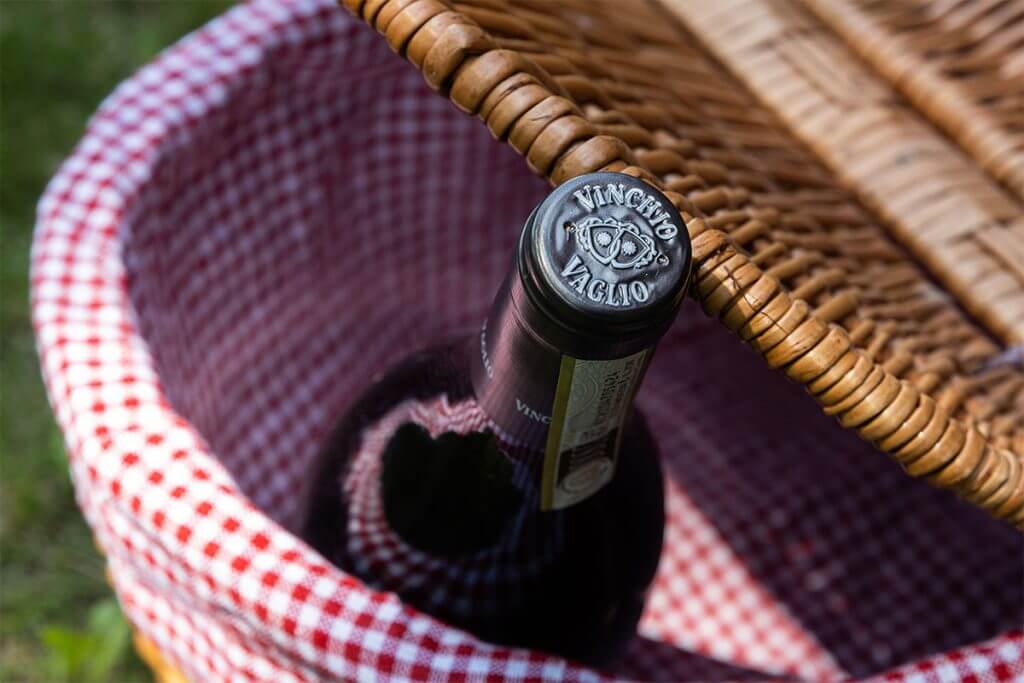
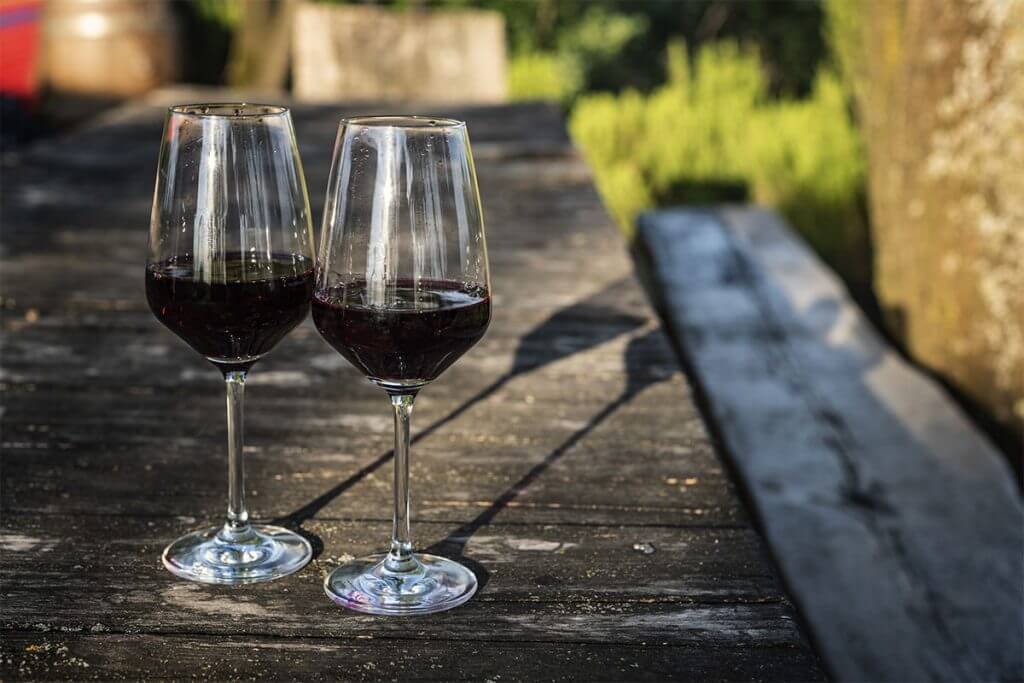
We’ve always encouraged our loyal customers to experiment with the most unusual pairings (surprises can sometimes be even more delightful), but if you’d prefer to stick to classic pairings, we recommend: charcuterie and cheese, white meats, as well as polenta and potatoes.
PS: and whilst Ligabue sang “Lambrusco and popcorn”, we’re pretty sure he’d also appreciate Freisa and an aperitif for its freshness and easy-drinking qualities… try it yourself!